

2026 Event

From untapped sustainability solutions and new healthcare interventions to the power of art and the future of social change, addressing the challenges of tomorrow means taking the ideas of USask researchers, scholars and artists to the edge of possibility.
TEDxUniversityofSaskatchewan 2026's theme of Exploring the Edges calls for a celebration of the boundary-pushing, hope-inspiring work that is courageously building a better world for all.
Thank you to the speakers, organizers, volunteers and attendees
who made our 2026 event a success.
Speakers
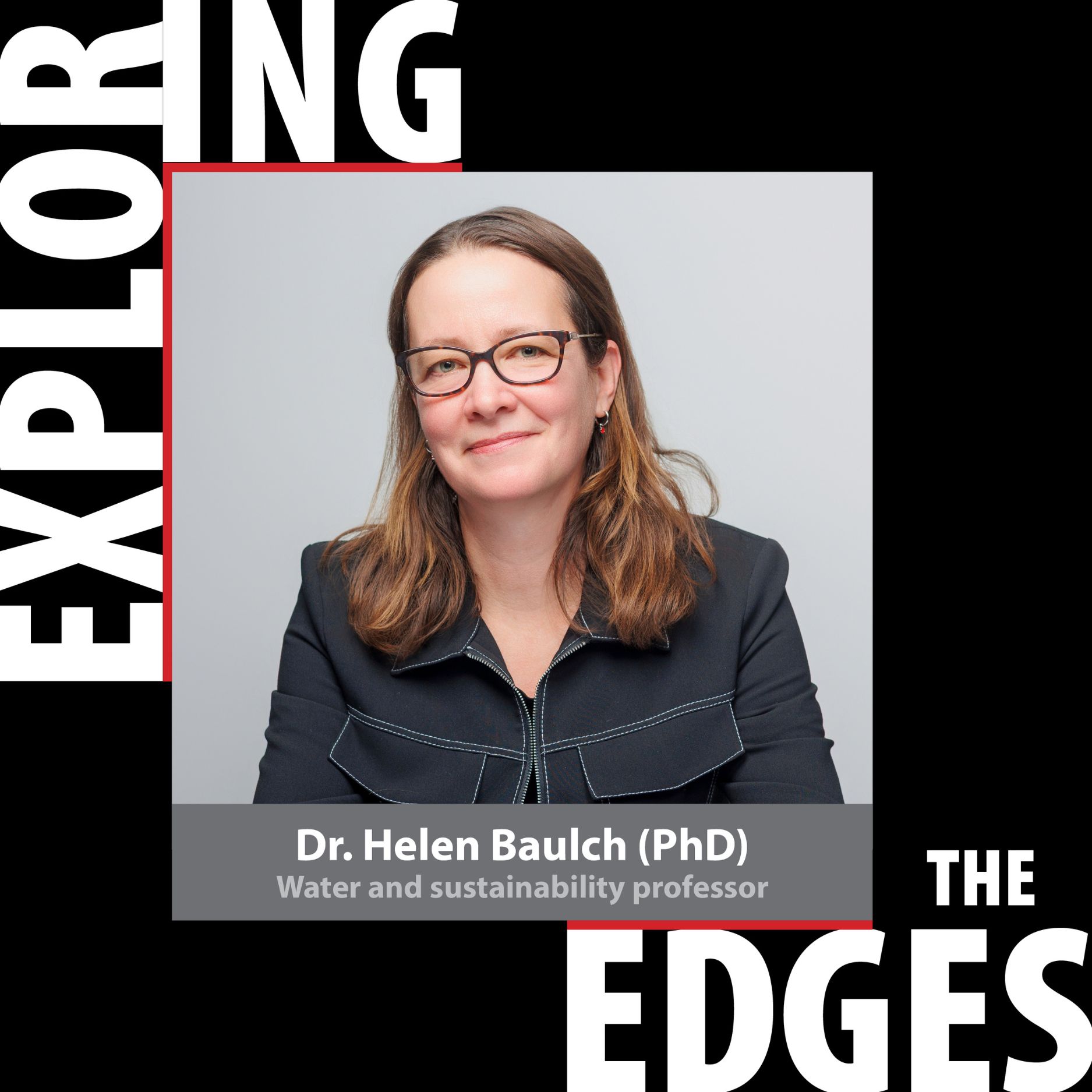
Swimming on borrowed time
Lakes give us so much — safe drinking water that is fundamental to our survival, and the simple joy of being on the water. But every lake tells a story—and increasingly, that story is one of decline. Nutrients from cities and from farms, combined with climate change, are fertilizing our lakes, turning many lakes from clear, to green. The consequences affect us downstream: unsafe swimming, health risks, and rising costs for drinking water.
This threat isn’t new. We’ve understood the science behind it for decades. As a water quality scientist and a swimmer, Dr. Baulch knows people value water, and are invested in solutions. So how do we come together to fix our water quality problems? This talk will explore local insights, technological solutions and the power of remembering just how important water is to us. By looking for pragmatic solutions on land, we can address these growing problems in lakes, safeguarding the joy of swimming and our fundamental need for safe water.
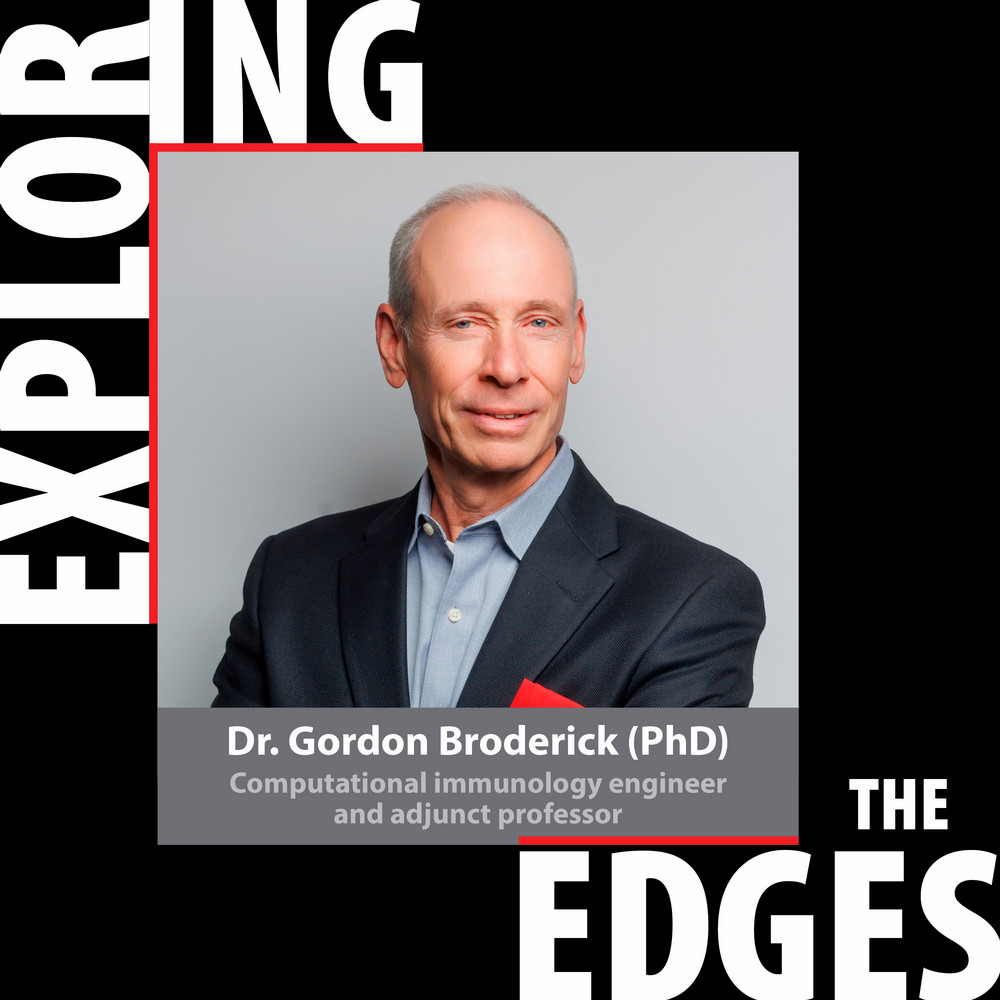
Reprogramming our immunity: The code that could save us
Can we escape illness by reprogramming our immune system?
Let’s think for a moment about our immune system as a biological computer, it can perceive, assess, plan and deliver tailored responses. It can even evaluate and store the outcome. If our immune system learns from its history of injury and illness, could we teach it new behaviours, or reprogram it if it went astray? Using the latest advances in natural language processing, generative AI and quantum supercomputing we have been working to answer that very question. This talk will explore the world of digital immune doppelgangers and how we can use them to learn more about certain illnesses and possibly escape their grip by combining known medicines in new ways. Pandemics, cancer, autoimmune diseases…could we outsmart them all by hacking the immune system’s code? One day soon your physician may be prescribing you the latest update to your own immune operating system.
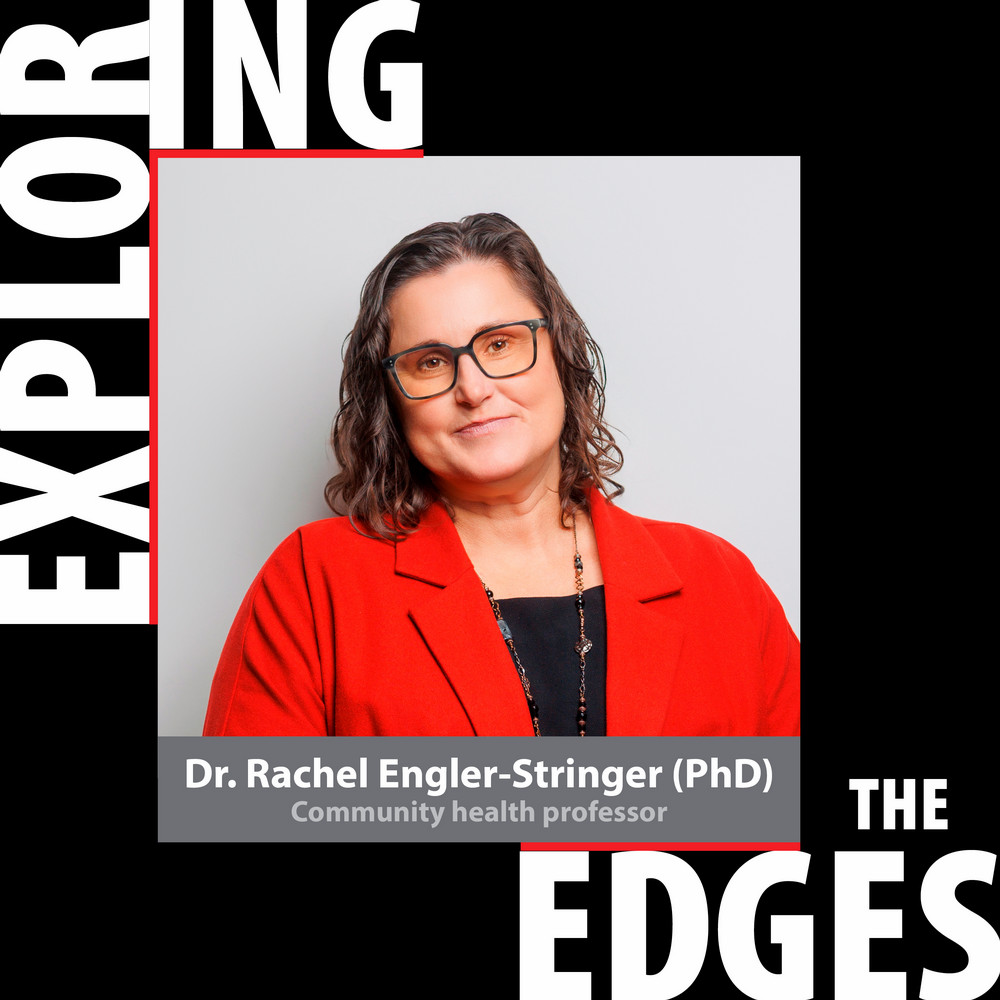
Unpacking the hidden cost of the modern school lunch
There are a lot of “rules” for the standard Canadian school lunch – a room temperature meal that is enticing enough for picky eaters and able to be consumed in 15 minutes or less. But are our kids getting what they need from this narrow idea of a weekday lunch? As a researcher, Dr. Engler-Stringer has studied school food programs for a decade and seen how different countries have designed better school food programs. This talk explores new ways to feed kids in Canada during the school day, which involves the benefits of kids eating a common meal with their peers, supervised by trusted adults and preparing food by trained cooks using basic ingredients.
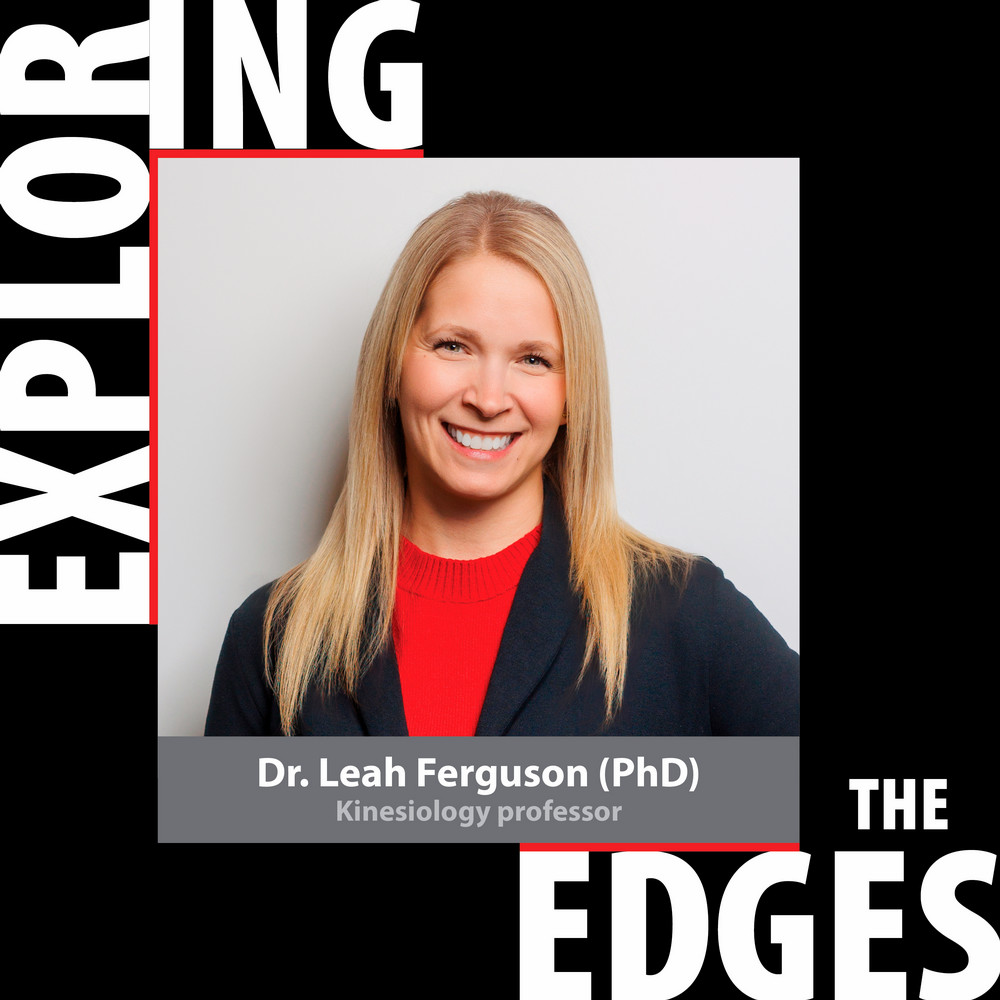
Can compassion build champions?
It’s no surprise that sport glorifies toughness. We’ve all heard the phrases “Suck it up. No pain, no gain.” What if the real competitive edge isn’t about pushing harder, but being kinder with ourselves when things get tough? After nearly two decades of working with athletes, Dr. Leah Ferguson has learned that self-compassion — not harsh criticism — is what helps athletes thrive. In a culture that tells us “don’t be soft,” athletes often become their own harshest critics. Yet, self-compassion isn’t soft; it’s strategic. It helps athletes bounce back from failure, focus under pressure and strive for excellence without sacrificing well-being. Dr. Ferguson’s talk draws from her lived experience as a young dancer, expertise as a leading scholar in self-compassion in sport research, and applied work with athletes to reimagine a sport system where compassion and competition coexist.
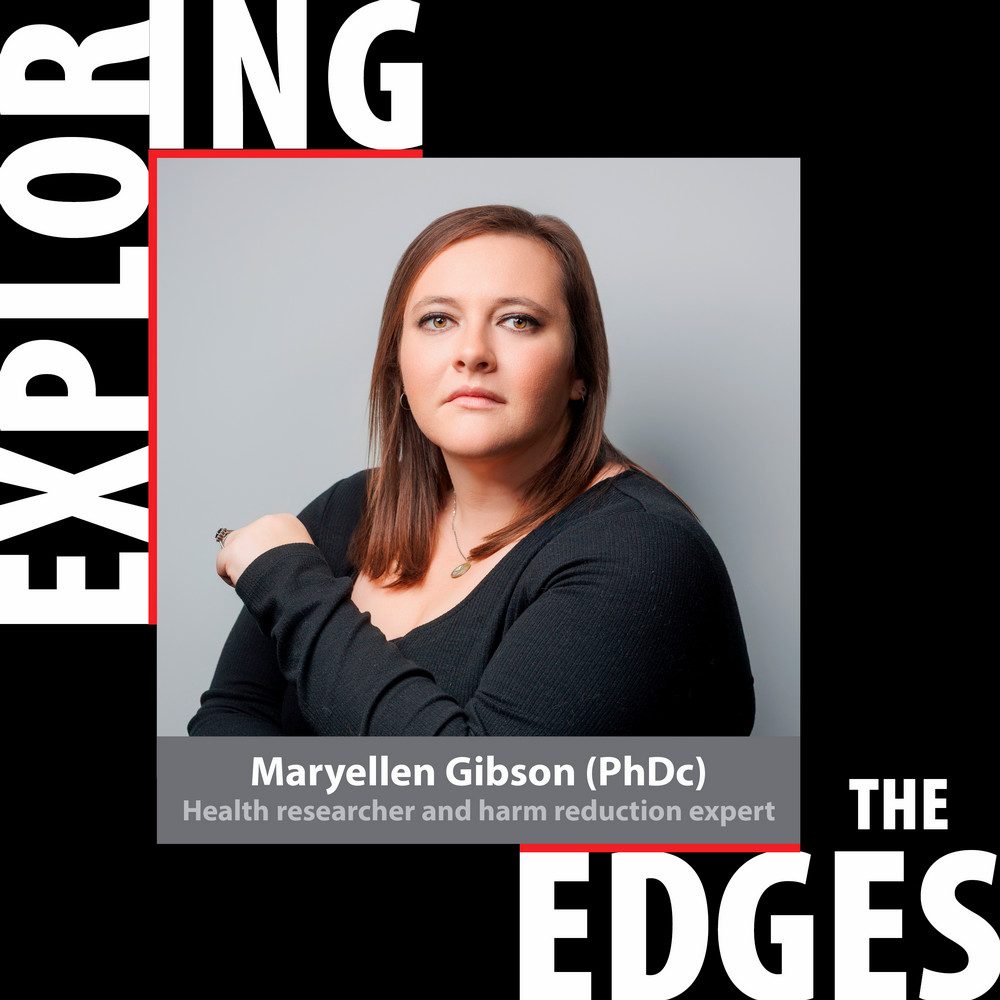
Can a drug house be a home?
When most doors are closed to them, where can someone find home? Society often rejects and stigmatizes people who use drugs, leaving them feeling unwelcome everywhere, but drug houses can provide a sense of belonging and safety when all other doors are closed. Drawing on stories of lived expertise, community engagement and research Maryellen Gibson’s talk explores the concept of “home” and challenges assumptions about people who use drugs. Through this talk, she highlights how systemic stigma perpetuate suffering and urges us to rethink narratives, recognize the humanity of people who use drugs and build a society where everyone can feel at home.
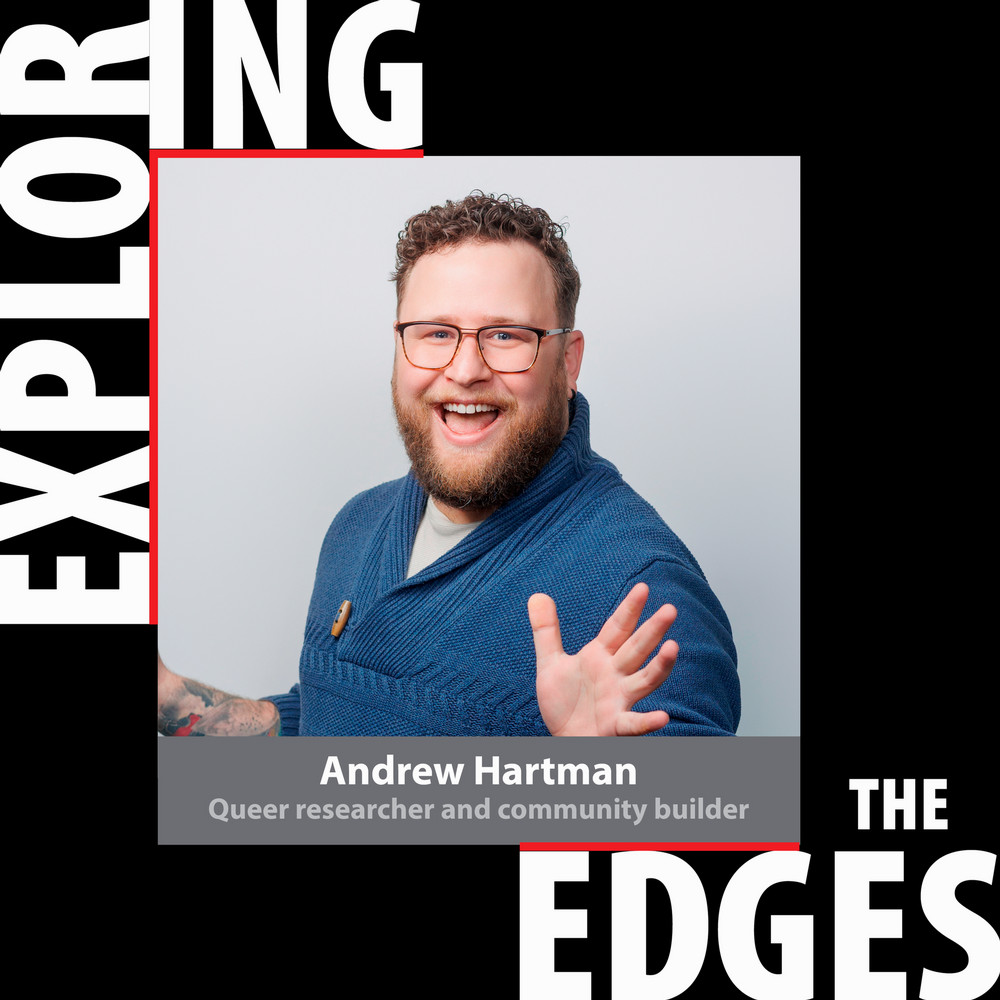
The joy of not fitting in
For those who have lived at the edges of belonging, joy is not just emotional, it is also profoundly political. Queer joy is a transformative force for individuals and communities. It is a site of resistance, belonging and self-creation. Drawing on their personal reflection and research, Andrew Hartman will explore how queer people move through shame to find liberation in authenticity, not in spite of difference, but because of it. What happens when we consider queer joy as a collective and embodied practice that defies systems of oppression and reimagines what it means to live freely? Through insight, reflection and storytelling, Andrew’s talk challenges us to see healing not as an endpoint but as a continual process of becoming that thrives in community, authenticity and care.
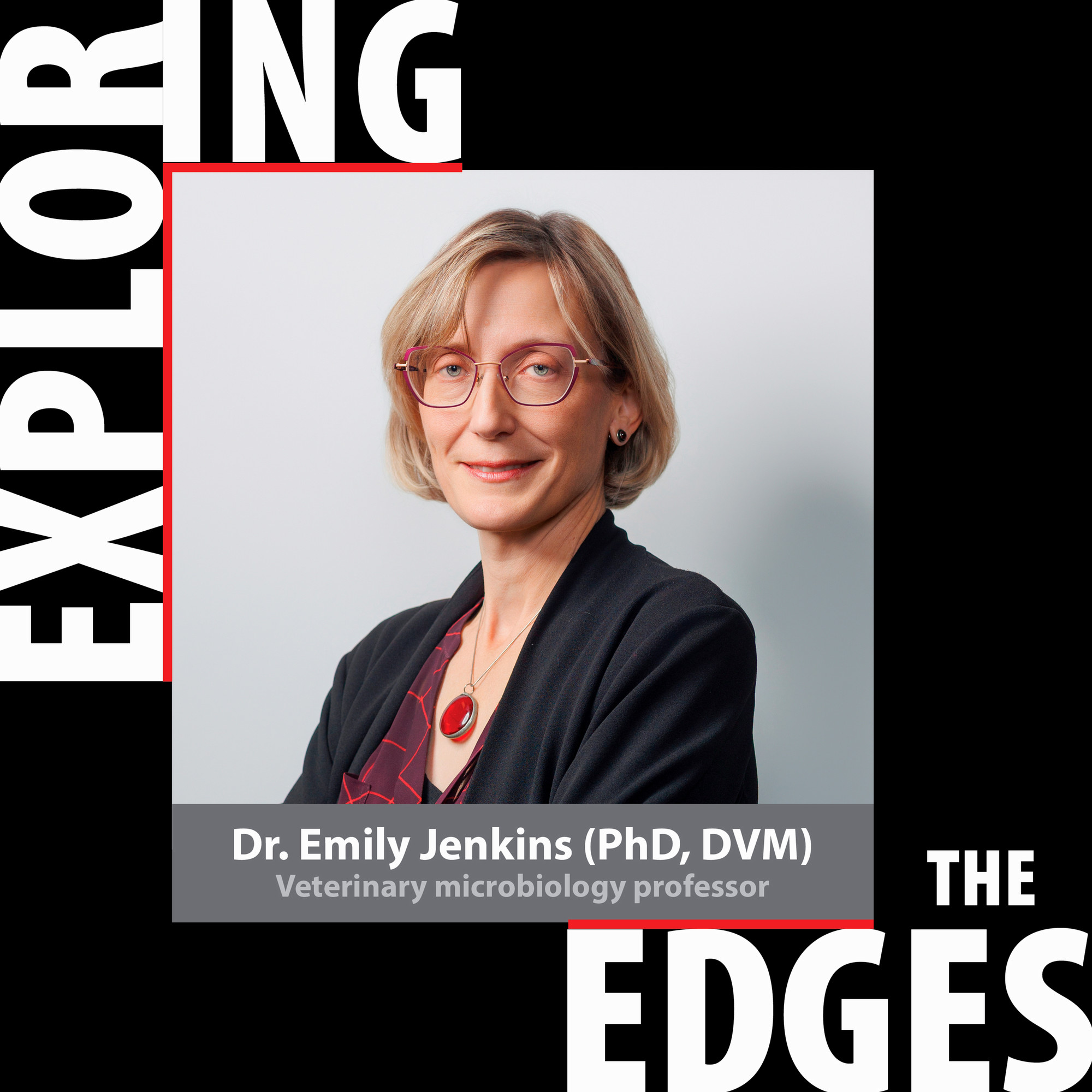
Are cats, and their parasites, taking over the world?
Cats can be found on every continent except for Antarctica, making them one of the most widespread animals in the world. But where cats go, their parasites follow — even as far north as the Canadian Arctic. One strange little hitchhiker, the parasite Toxoplasma gondii, may be a more prolific traveller than our feline friends. For over a decade, Dr. Emily Jenkins and her team have been trying to figure out why Canada’s northern residents have some of the highest exposure to Toxoplasma in North America. She will talk about how this parasite moves and manipulates its way around the world, and how to optimize our relationship with cats to protect our health, our wildlife, and our furry companions — a One Health win.
Dr. Emily Jenkins (PhD, DVM) is a veterinarian and professor of Veterinary Microbiology, and head of the Zoonotic Parasite Research Unit at the Western College of Veterinary Medicine. She co-leads the University of Saskatchewan One Health Signature Area of Research, recognizing the need for collaborative, transdisciplinary approaches to minimize risks and maximize benefits at the interface of human, animal and environmental health. Dr. Jenkins and her research team have made major impacts in the fields of veterinary parasitology, food safety and One Health, focusing on globally important foodborne parasites which disproportionately affect rural, remote and Indigenous populations in Canada. She has published over 150 papers and supervised over 50 students and postdoctoral fellows. Dr. Jenkins loves parasites, cats, food, wildlife and her family, not necessarily in that order.
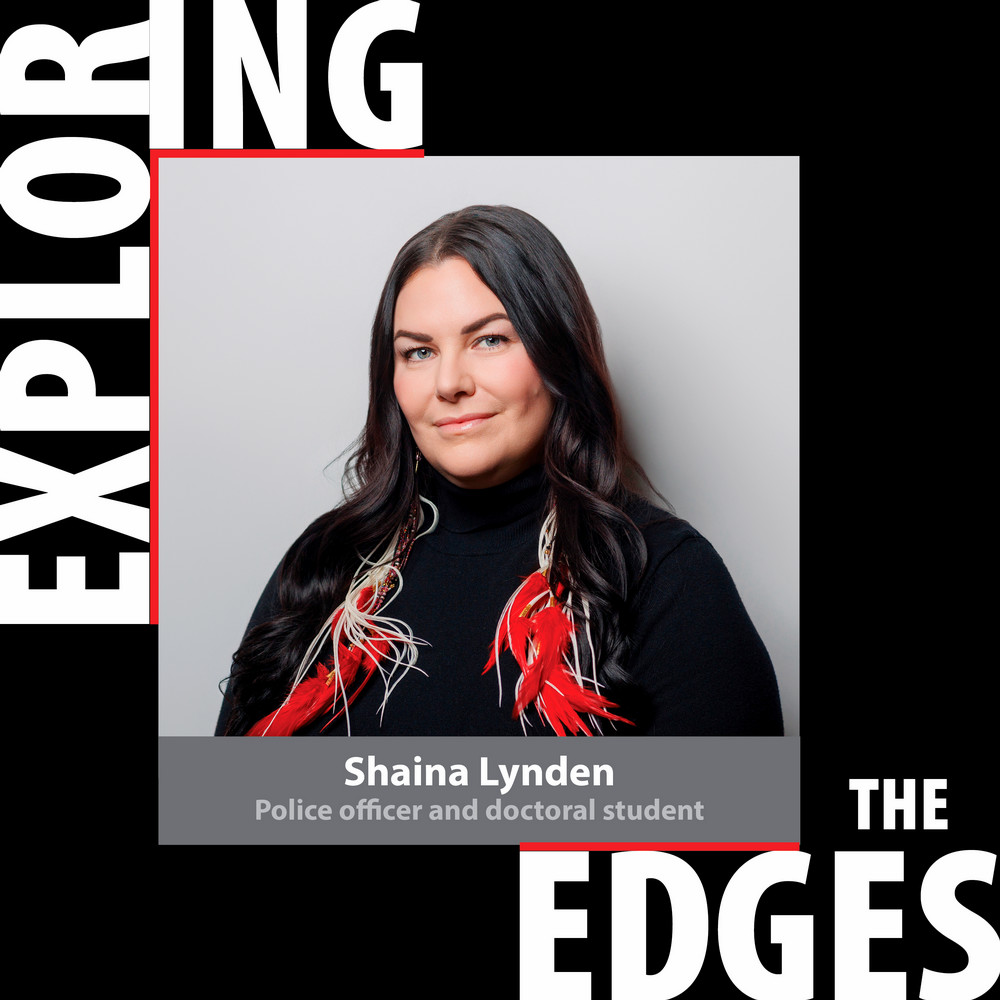
Reconciliation in policing: Education as a foundation for sustainable change
Imagine a Canada where the Police-Indigenous relationship is not defined by history but reimagined through a commitment toward collective healing. A Canada where a badge is not a symbol of authority and oversight, but a pledge to walk gently on this land and with its people. Drawing from her twenty-year career as a police officer and her work in educational leadership, Shaina Lynden’s talk dives into the call for national standards in Indigenous cultural competency education for police recruits. When policing is rooted in the learning of truth, history, and the humanity of those served, it reminds us that change happens in moments. Moments where one compassionate decision changes a life, one trauma-informed conversation shifts a perspective and one relationship built on trust can reshape a community. With shared truth as our compass, and understanding as our path, reconciliation becomes something we build — one mindful officer, one brave interaction, one renewed relationship at a time.
Shaina Lynden is a Ukrainian and Anishinaabe scholar, educator and changemaker dedicated to advancing reconciliation through educational innovation and institutional transformation. A proud member of Yellow Quill First Nation and a doctoral student in Educational Leadership at the University of Saskatchewan, Shaina’s twenty years of experience as a Saskatoon Police officer informs her efforts in reimagining the relationship between law enforcement and Indigenous communities. She is the creator of Indigenous cultural competency curricula for police recruits, special constables and civilian personnel in Saskatoon, as well as a nationally offered course at the Canadian Police College in Ottawa. Shaina has redefined public service education by centring lived experience, cultural humility and relational accountability. Through her research, pedagogy and advocacy, her leadership is grounded in courage, compassion and an unwavering commitment to systemic change and Indigenous sovereignty.
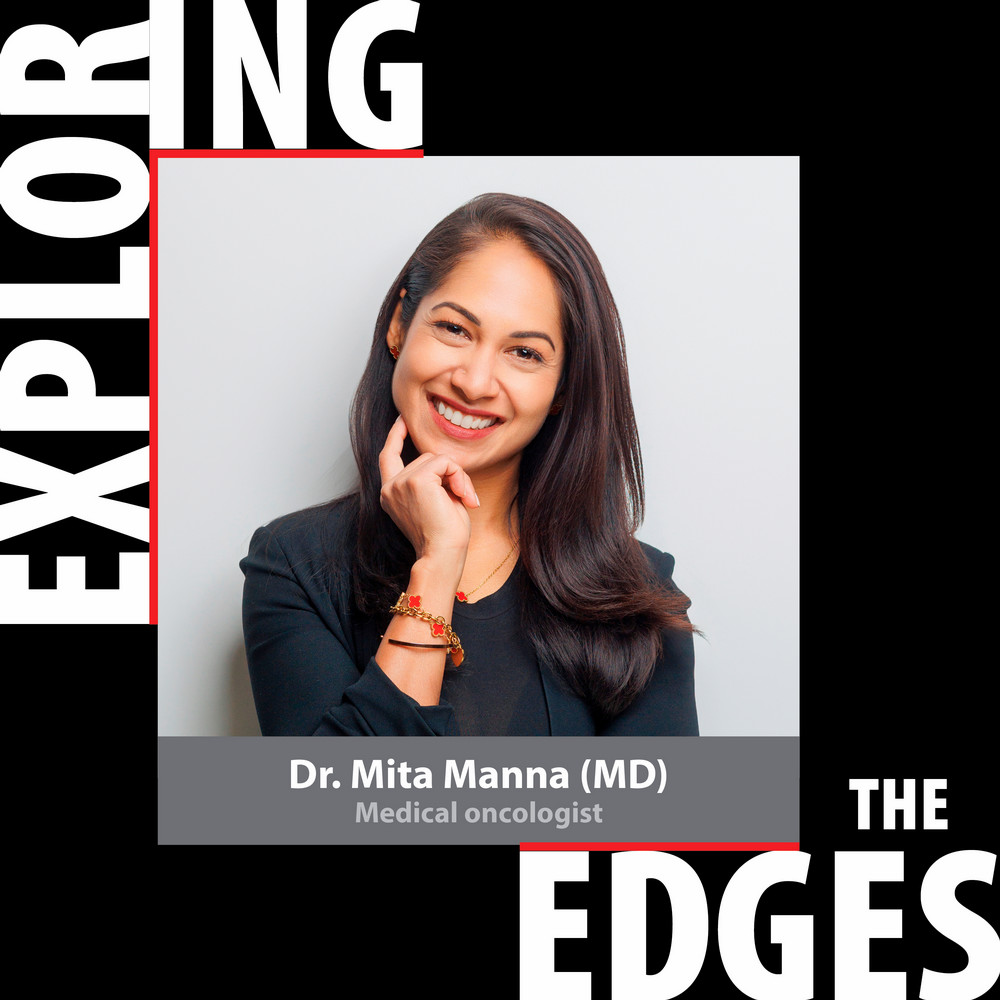
From surviving to thriving: Life after breast cancer
What does the reality of breast cancer survivorship look like once the treatment is over? As a medical oncologist, Dr. Mita Manna knows that clinical trials and genetic testing are transforming care and giving patients access to life-changing therapies once thought impossible. But what happens when individuals leave the clinic? This talk will go beyond the science and the advances in treatment, and instead home in on the human side of healing. By exploring the connection between mind, body and soul, Dr. Manna shows us how we can open up the conversation on cancer, define what true survivorship means, and move beyond the pink ribbon to create real change.
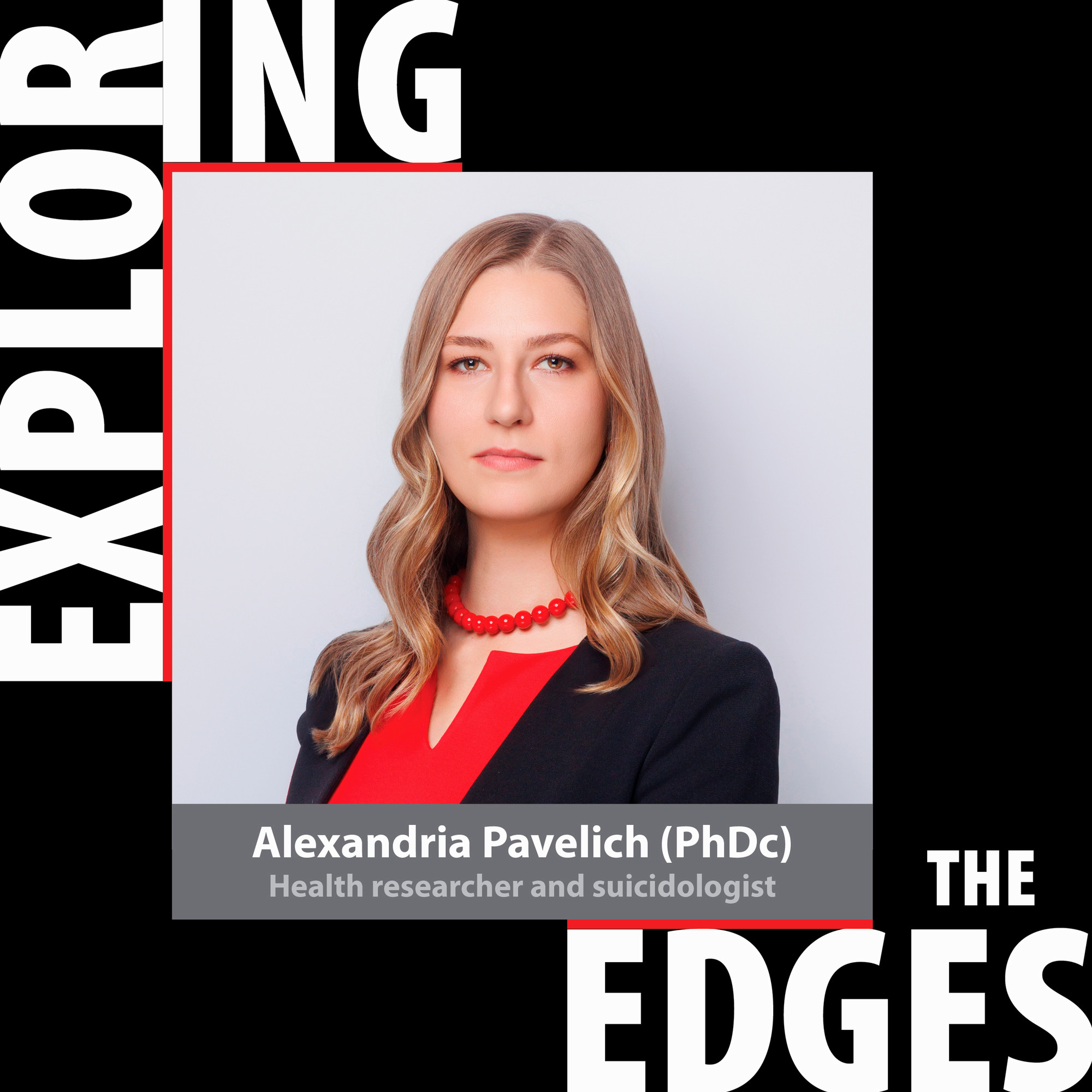
Mattering is medicine: How dogs help us stay alive
“Mattering” is the deep human need to feel significant in the eyes of others. When people feel that they don’t matter, they may experience pain, social isolation and suicidality. Animals — especially dogs —can offer unconditional love, connection and support that can restore this sense of mattering. Through her work in suicide prevention and pain management, Alexandria Pavelich has found that human-animal connections can be lifesaving as they offer a unique sense of presence, hope and purpose. Drawing from her lived experience and speaking from the position of a therapy dog handler and researcher, this talk will explore how, in our darkest moments of suffering and despair, a wagging tail can be a reminder that life is worth living.
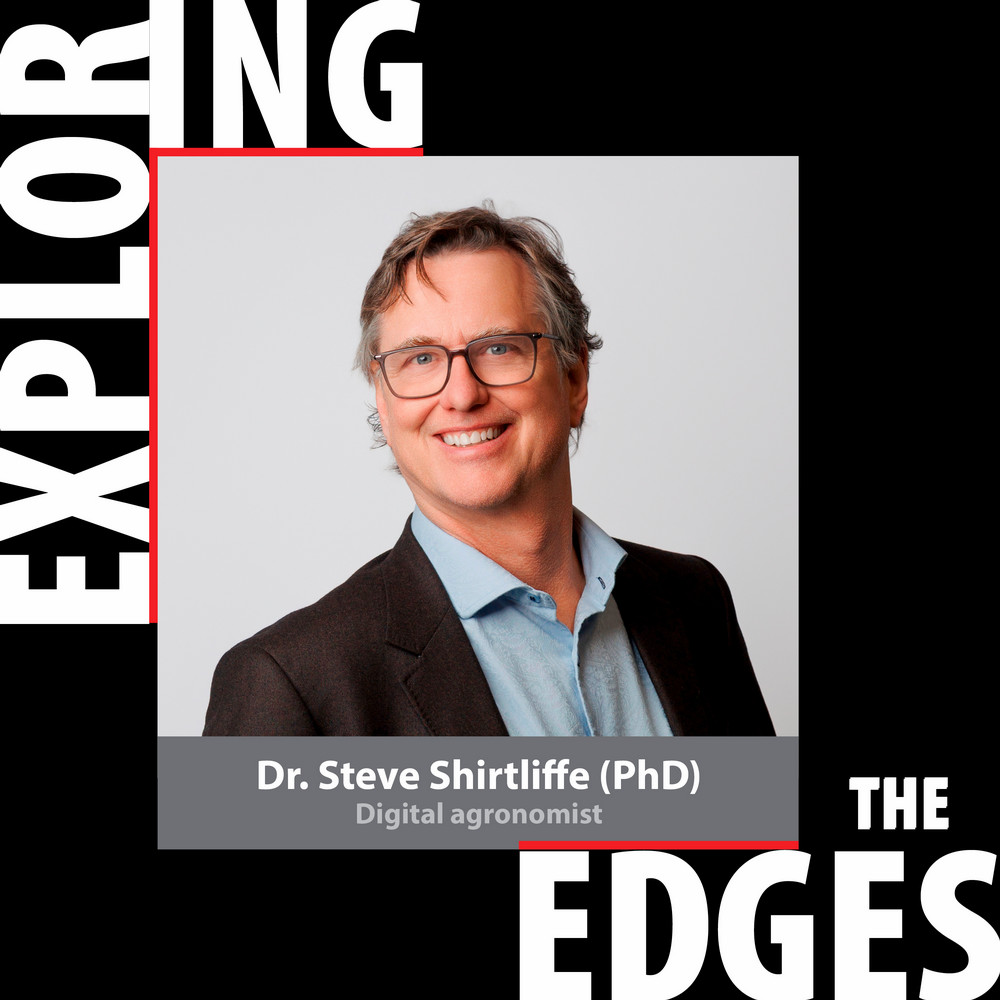
I know what you grew last summer: Exploring AI in agriculture
What if satellites could help farmers plan smarter for the next season? Drawing from his roots on a Prairie farm and his career pioneering agriculture research, this talk explores how drones, satellite imagery and AI unlock new ways to manage crops and land. But how do we harness big data in digital agriculture without losing sight of the people who grow our food? Dr. Steve Shirtliffe’s team has developed the Geospatial Agroecosystem Inference Engine (GAIG), a tool that can predict yields, map weeds and identify marginal land — which promises a more sustainable future. But progress isn’t just about technology; it’s about trust. Shirtliffe’s connection to farming communities drives his mission to ensure these innovations benefit farmers first. If we provide tools that put farmers in charge, then digital agriculture can help feed the world and protect the planet.

Music has been an essential part of the human experience for thousands of years, helping us interpret, understand and even shape the world around us. Music’s unique qualities have been especially potent when helping us process complicated subjects like love, war, death and religion. But what about one of the biggest challenges that has emerged during the last 50 years? In the face of climate change does music continue its traditional functions? This performance will tackle different approaches to climate change music and unravel the nature of music, the nature of humanity and the nature of climate change.
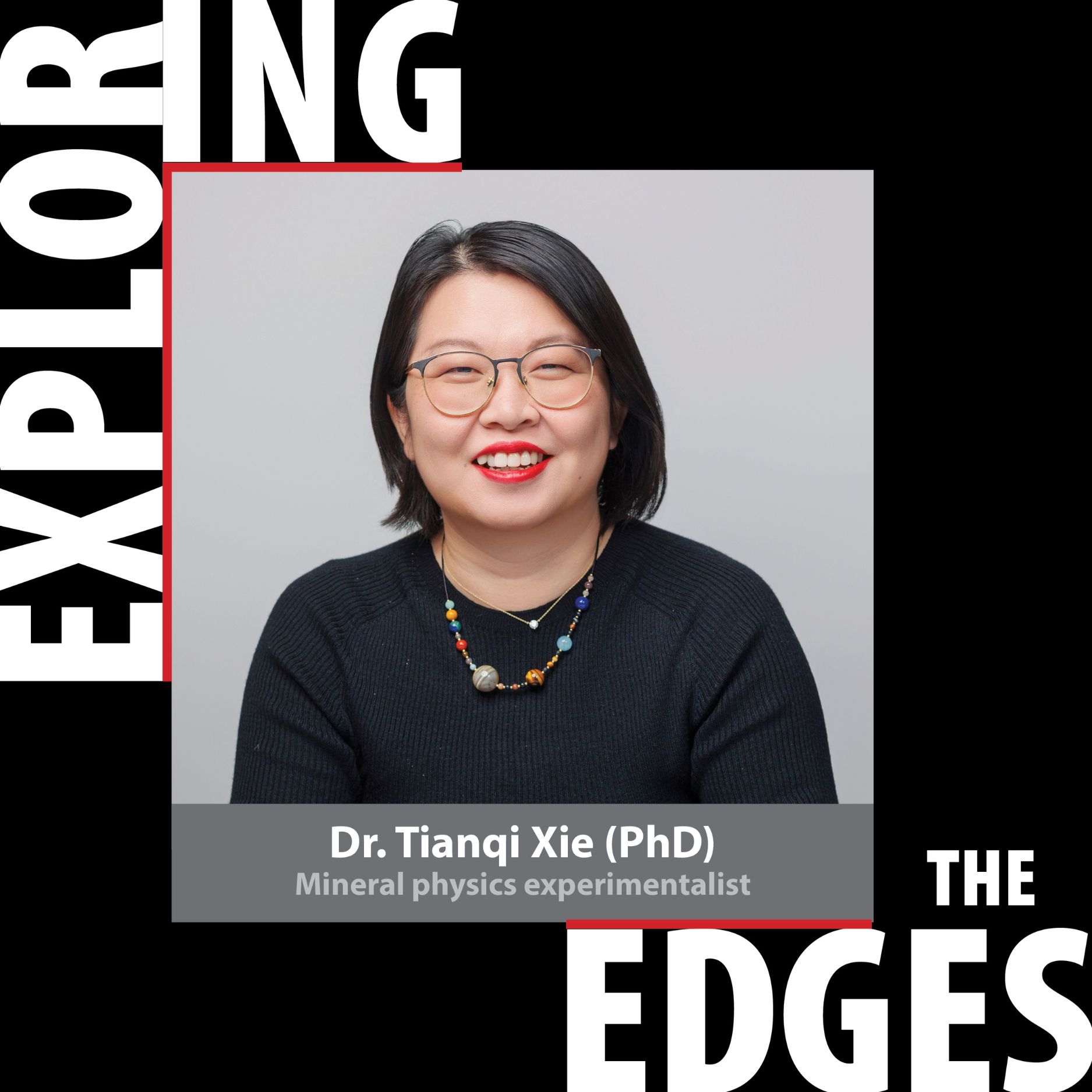
Why did the asteroid kill all the dinosaurs, but not us?
We’ve all seen the headlines — dinosaurs killed by an asteroid — but is this million-year-old case fully closed? Scientists have a lot of clues, but many mysteries remain: how did the asteroid do it? And, most importantly, if life on earth was wiped out, then how is it possible for human beings to be alive today? Dr. Tianqi Xie puts on her detective hat to reconstruct this ancient crime scene using rocks as witnesses to uncover our suspect and piece together the events and aftermath of one of the oldest mysteries on earth
Dr. Tianqi Xie (PhD) is an assistant professor at the Department of Geological Sciences in the College of Arts and Science at the University of Saskatchewan (USask). Her research focuses on the behavior of common minerals under high pressure high temperature conditions relevant to the evolution of rocky planetary bodies in our solar system. Dr. Xie received her bachelor’s degree in gemology and master’s degree in mineralogy at China University of Geosciences (Beijing) and earned her PhD degree in Geophysics at University of Western Ontario. She then moved to Stony Brook University for a postdoctoral fellowship at the Mineral Physics Institute. Her work uses synchrotron facilities around the world, including Advanced Photon Source, Deutsches Elektronen-Synchrotron (DESY), European X-Ray Free-Electron Laser Facility (European XFEL), and our Canadian Light Source. She is also a certified gemologist who loves antiques.
Support
TEDxUniversityofSaskatchewan is an initiative organized by the USask Office of the Vice-President Research (OVPR), in collaboration with organizers and volunteers from across campus.
Questions about TEDxUniversityofSaskatchewan 2026?